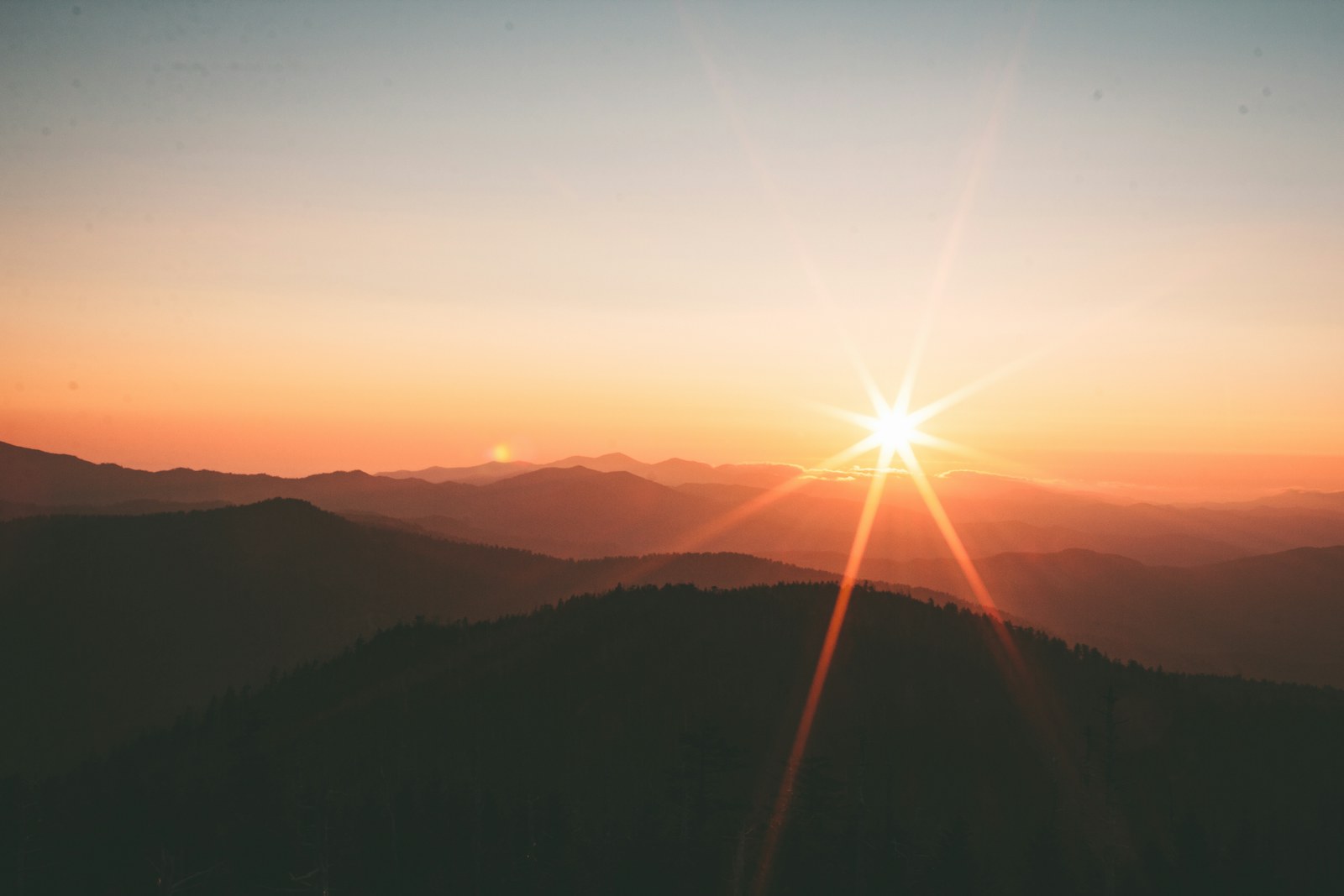
When the light changes
A familiar view can become a different place in the space of ten minutes. The difficult part is staying still.
Read the note ↗Landscapes, small discoveries and the pleasure of paying attention. Notes for people who would rather take the long way home.
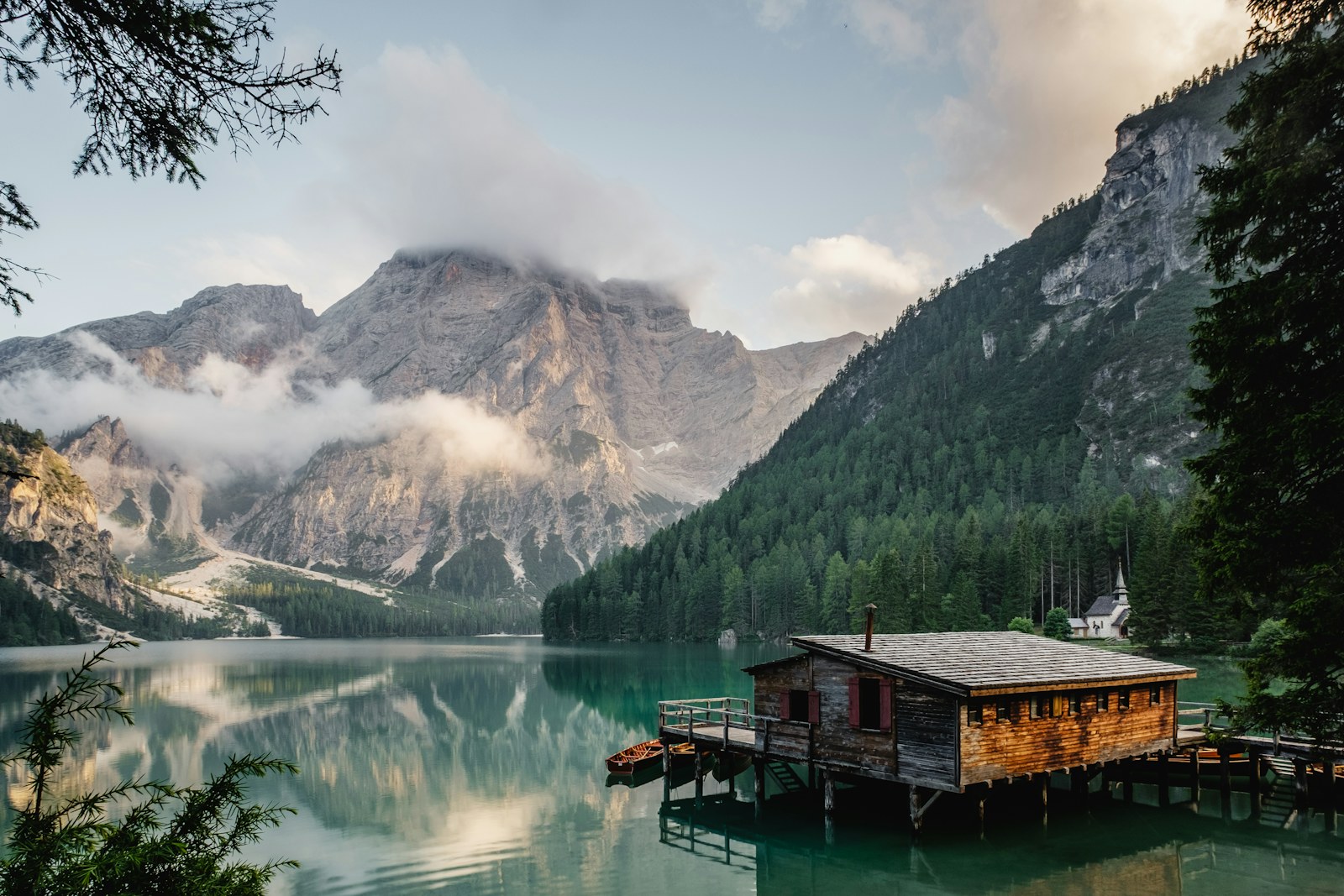
A familiar view can become a different place in the space of ten minutes. The difficult part is staying still.
Read the note ↗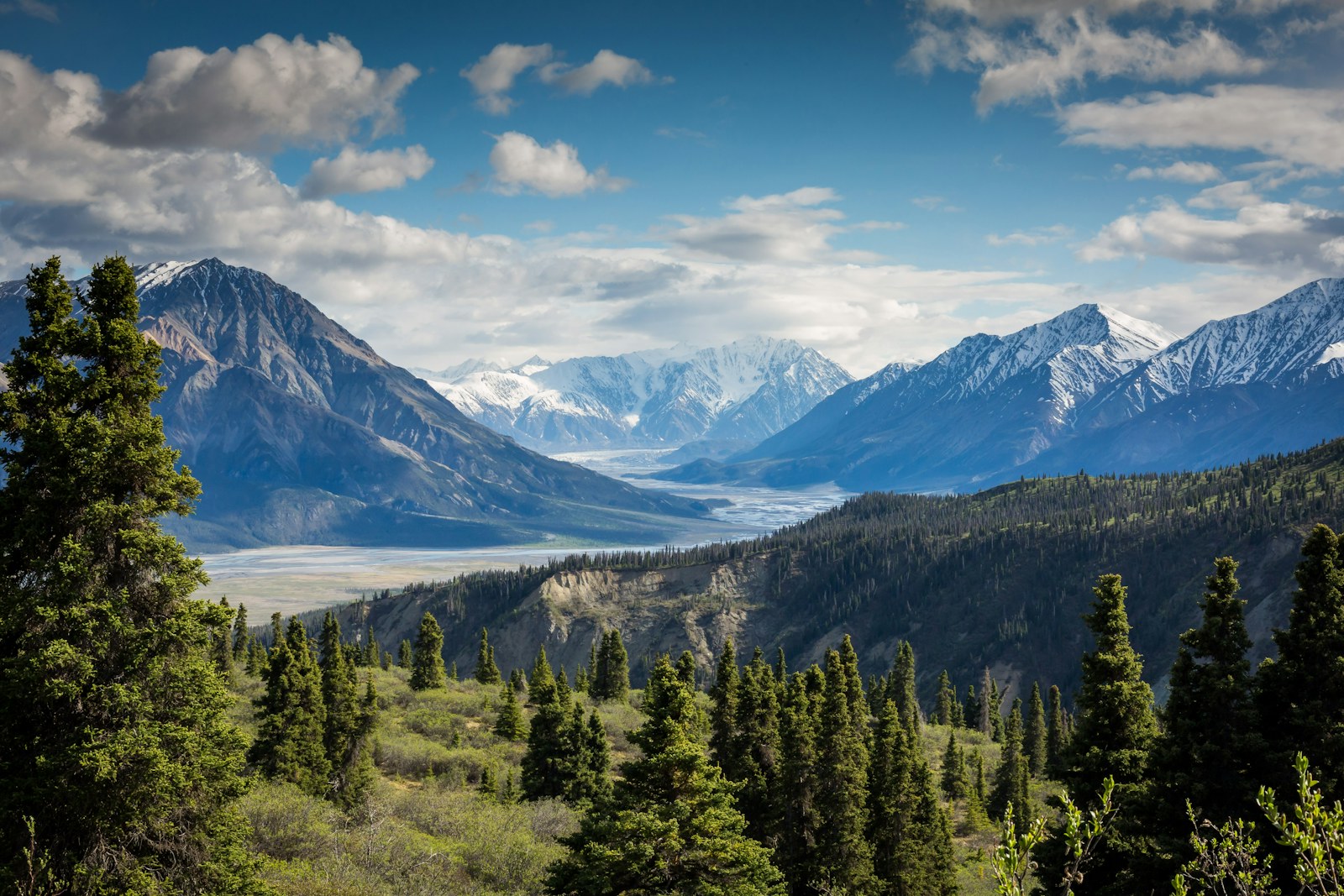
Taking a walk without a destination makes room for the things an itinerary tends to leave out.
Read the note ↗A small exercise in listening: leave the headphones in your bag and give a place a few quiet minutes.
Read the note ↗Photography often begins before the camera comes out. A patch of light moves across a wall; a path that seemed unremarkable catches the last of the afternoon. The subject has not changed, but the way we see it has.
Try choosing one place and returning at different times of day. Keep the frame simple. Notice where the shadows fall, what disappears into them, and which colours remain when the direct light is gone. A small notebook can be more useful than a second lens.
Stay for ten minutes longer than you planned.
There is no promise of a remarkable photograph. Sometimes the useful thing is simply the attention itself: a few minutes in which nothing needs to be collected or completed.
Back to the journal ↑Not every walk has to become an achievement. A short route along the edge of a village, an old road through the trees, or the first stretch of a mountain trail can be enough for an afternoon.
Choose a distance that leaves time to stop. Look back occasionally: the same path in the other direction is often a different picture. Let a bend in the road decide the next frame rather than a list of viewpoints.
Check the weather, carry water, and turn around early if conditions change. The landscape will still be there for another visit. Coming home with a handful of observations is a perfectly good result.
Back to the journal ↑Water gives a landscape a second, less reliable version of itself. A reflection holds for a moment and breaks apart with the wind. The view is never quite finished.
Find a safe place to sit away from the edge. Listen for the nearest sound, then for the most distant one. Watch the changes in the surface before taking a photograph. There may be a composition in the empty space rather than in the obvious landmark.
Leave the place as you found it. The best souvenir may be a note about the temperature of the air or the direction of the wind — something a photograph cannot carry on its own.
Back to the journal ↑Fieldnote is a visual journal about slowing down outdoors. We collect short essays on looking, walking and the ordinary places that deserve a second glance.
No rankings and no must-see lists. Just a few ideas for the next time you find yourself with an hour to spare and somewhere to wander.
Photography is sourced from Unsplash under its image licence. Open any photograph to view it on its own.